
Adventures in aging with intention


What an audacious ask!!!
Certainly not a question we often consider, yet so elemental. It helps frame our understanding of who we are, and how we see ourselves.
Rumi says “You are not a drop in the ocean. You are the entire ocean in a drop.”
Buddha says “You, yourself, as much as anybody in the entire universe, deserve your love and affection.”
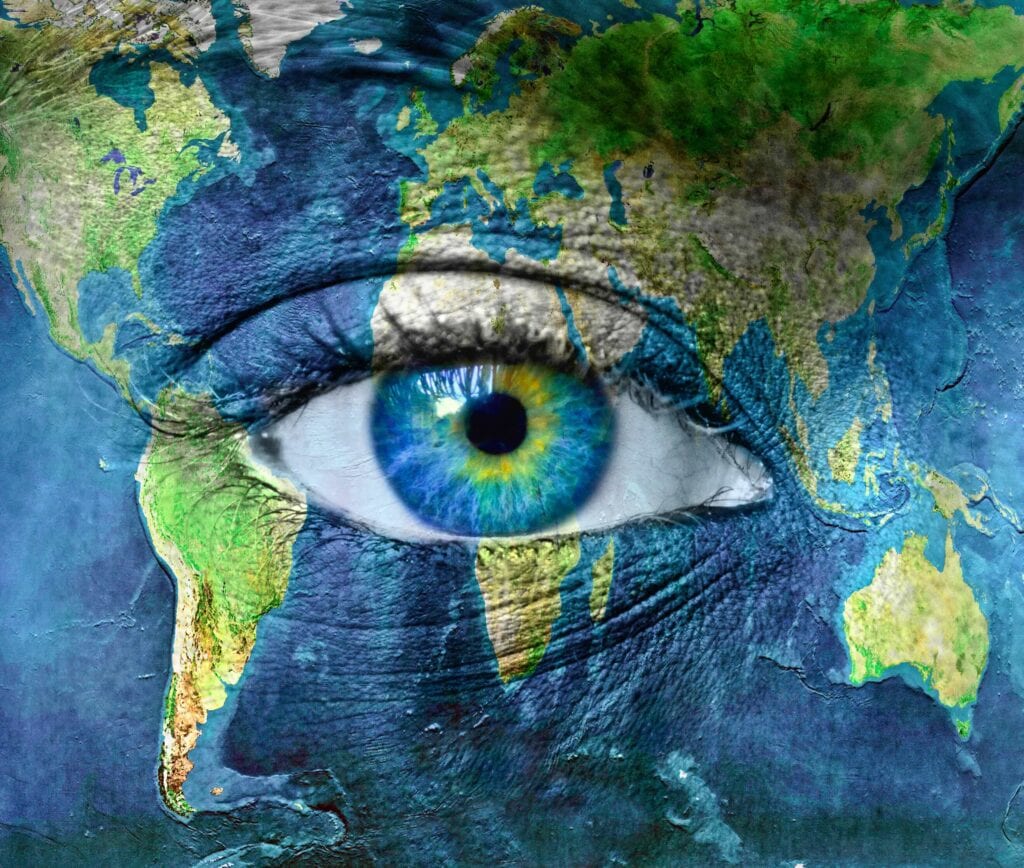
I think it all circles back to self-remembering. It’s taken me six decades to see that I’ve played an integral part in where I find myself standing. It’s like a signature energy, a collective karma that’s centered in living from my heart. With that as my forever starting place, I get to keep exploring who I came here to be.
Maybe it’s time to update the phrase “aging gracefully” to “aging gratefully.”
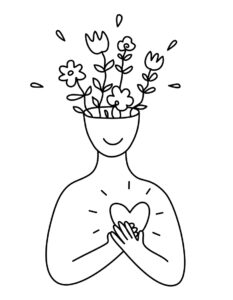 Lately, I keep finding myself in situations that require me to be ALL of who I am to make my way through. It’s especially top of mind when I look out at a world full of hurt and fear that so often breaks my heart.
Whether it’s disrupting a pattern of imbalance, giving myself grace to see how deeply I’ve hurt a loved one, or confronting my reactivity when someone steals my parking place. My job is to stay open, accepting all pieces of myself, including the mistakes and messy parts.
So how do we see how great we are in all this?
By being the one who sees it — that deeper knowing that we matter just because we are. Owning our self-worth as “I am.”
What’s the difference between high self-esteem and a sense of self-worth?
According to best-selling author, clinical psychologist Dr. Christina Hibbert, “Self-esteem is what we think and feel and believe about ourselves. Self-worth is recognizing ‘I am greater than all of those things.’ “It is a deep knowing that I am of value, that I am lovable, necessary to this life, and of incomprehensible worth. It is possible to feel high self-esteem, or in other words, to think I’m good at something, yet still not feel convinced that I am loveable and worthy. Self-esteem doesn’t last or work without self-worth.”

Ever heard of the “never meant to see our faces theory?”
Most of us, me included, can’t help but feel our self-worth is tied to our appearance. There’s no escaping a society built on self-display as crucial to fitting in, being seen and accepted. A lifetime of marketing that message has made it a universal belief, and now, it’s next level with social media.
In Millennium: From Religion to Revolution: How Civilization Has Changed Over a Thousand Years, historian Ian Mortimer wrote about how the development of glass mirrors in the 1300s marked a crucial shift in how people viewed themselves. Beyond their reflection in a puddle or lake, for the first time they were able to see what they looked like — unique and aware of their own qualities. Gone was the collective identity felt by a community, replaced with an individualism that gave people a newfound sense of self-worth, and comparison.
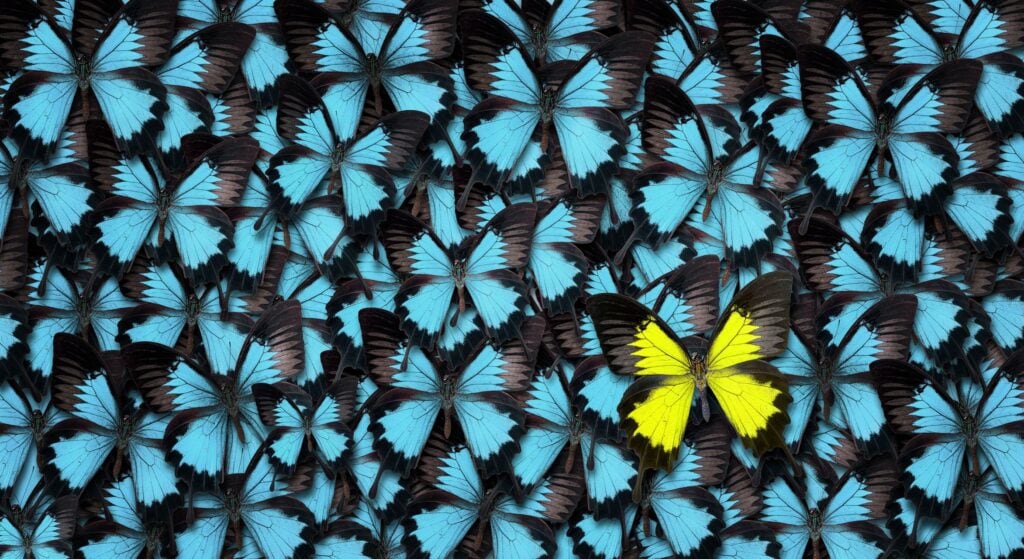
In Dr. James Mellon’s book “The 5 Questions” he sees a widespread lack of self-worth as the greatest ailment of our generation. He believes that most people don’t recognize their own inherent value because they haven’t deeply understood who they are at the core.
Psychiatrist Dr. Ashwini Nadkarni, a professor of psychiatry at Harvard Medical School, suggests this constant comparison with others can impact people’s self-esteem and their sense of self. “We are continuously exposed to curated versions of ourselves and others. Research shows that people can develop unrealistic expectations, and a powerful drive to seek validation through further self-presentation.” She sees the need to shift from fixation to self-acceptance and self-compassion.
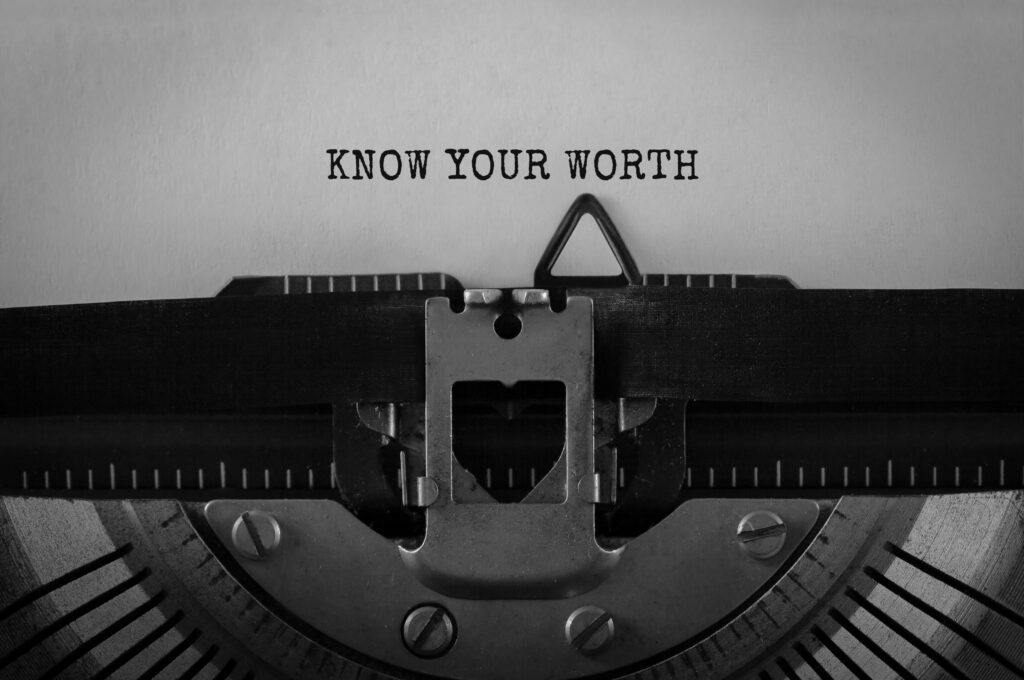
So here is your invitation – and mine.
To stop waiting for the world to confirm your worth. To stop measuring yourself against a curated highlight reel that never contains the full picture. To stop shrinking yourself to fit into spaces that were never built to hold all of who you are.
Greatness isn’t something you earn. It doesn’t require performance, but it does require remembering…
You are not broken. You are not behind. You are not too much or too little. In your journey you may have felt like that along the way. But you are, as Rumi reminds us “the entire ocean in a drop” – and the ocean doesn’t apologize for its depth.
So the next time life asks you to show up fully, consider that perhaps that is exactly what you were made for.
Then you can say “I know how great I am.”
Because it’s time you did.



 [contact-form-7 id="218" title="Exit popup"]